One of the first questions travellers ask us is simple: when is the best time to visit Ethiopia? It is a fair question, because Ethiopia is a vast country of dramatic highlands, scorching deserts, and lush valleys, and the answer depends on where you want to go and what you want to experience. The right timing can mean clear mountain views and vibrant festivals; the wrong timing can mean muddy roads and washed-out trails.
As a company that flies travellers to Ethiopia throughout the year, we have a good feel for the rhythms of its seasons. In broad terms, the dry season from October to March is the prime window for most visitors, offering reliable weather for trekking, wildlife, and historic sightseeing. The main rainy season runs from June to September, which has its own green beauty but can make remote travel harder.
Below we break down the year month by month, lay out the festival calendar, and explain how Ethiopia's distinct regions experience the seasons differently, so you can plan a trip that fits your interests perfectly.
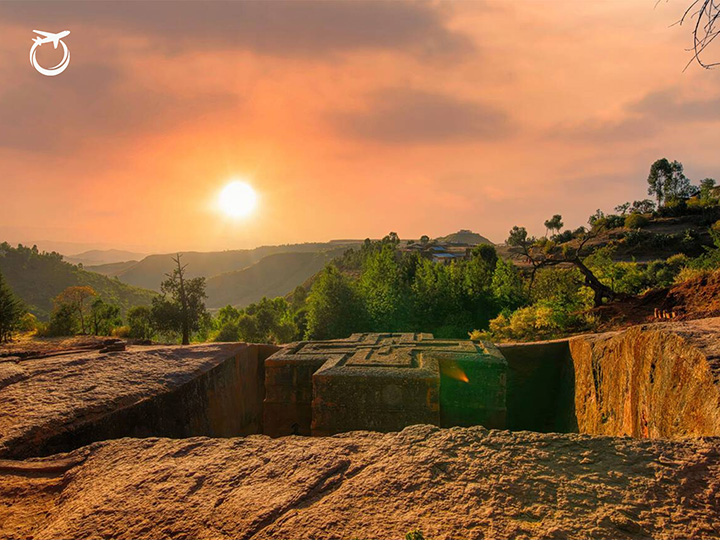
The Dry Season: October to March
If you want the most dependable conditions, the dry season is the best time to visit Ethiopia. From October to March, the skies over the highlands are generally clear, the landscape is freshly green after the rains, and the days are comfortably warm without being oppressive. This is the ideal window for trekking in the Simien and Bale Mountains, exploring the historic northern circuit, and photographing the countryside at its most photogenic.
This period also coincides with several of Ethiopia's most spectacular festivals, which we cover below. Because it is the peak season, popular lodges and flights can fill up, so we recommend booking early. You can search flights well ahead of your dates to secure the best options.
The Rainy Season: June to September
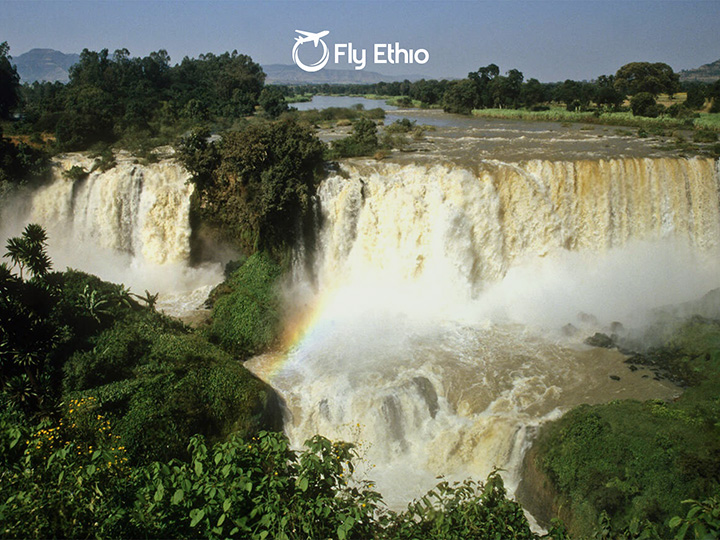
The main rains, known locally as kiremt, fall from June to September, with July and August being the wettest months. During this time the highlands turn a brilliant emerald green and the countryside is beautiful, but heavy downpours can make unpaved roads difficult and some trekking routes muddy. Domestic travel by road to remote areas becomes more challenging.
That said, the rainy season is not without its rewards. It is the quietest time for tourism, prices can be lower, and historic towns served by good roads or domestic flights remain very accessible. If you do not mind afternoon showers and you value fewer crowds, a wet-season trip focused on the highland cities can be a delight.
Month-by-Month Breakdown
- January: Cool, dry, and clear in the highlands. Excellent for sightseeing and home to two of the country's biggest celebrations, Genna and Timkat.
- February: Continued dry weather and great visibility. A superb month for trekking and the northern historic route.
- March: Still largely dry, with temperatures beginning to warm. A good shoulder-season choice before the short rains.
- April: The short rains may appear in some areas, bringing occasional showers. Lowlands grow hot.
- May: Warm and increasingly humid as the main rains approach. Lower visitor numbers.
- June: The main rainy season begins. Lush landscapes but wetter conditions in the highlands.
- July: One of the wettest months. Road travel to remote regions can be difficult.
- August: Heavy rains continue. Best for highland city visits rather than backcountry trekking.
- September: The rains taper off toward month's end, the land is gloriously green, and the Ethiopian New Year and Meskel arrive.
- October: The dry season returns with fresh, green scenery and clear skies. An outstanding month to visit.
- November: Dry, clear, and comfortable. Prime time for trekking and photography.
- December: Cool and dry in the highlands, with peak-season clarity and festive energy.
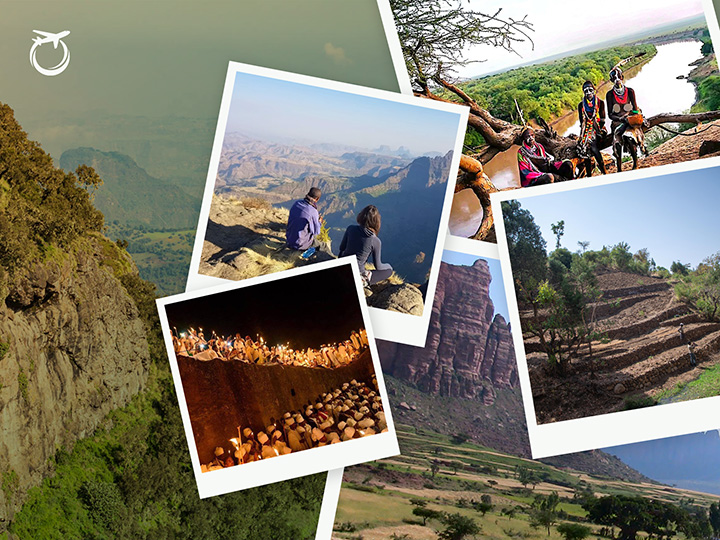
Ethiopia's Festival Calendar
Few countries celebrate with the colour and devotion you will witness in Ethiopia. Timing your visit to coincide with a major festival can transform an already memorable trip into something extraordinary. Note that Ethiopia follows its own calendar, so a few key dates differ from what you might expect.
Genna (Ethiopian Christmas) — January 7
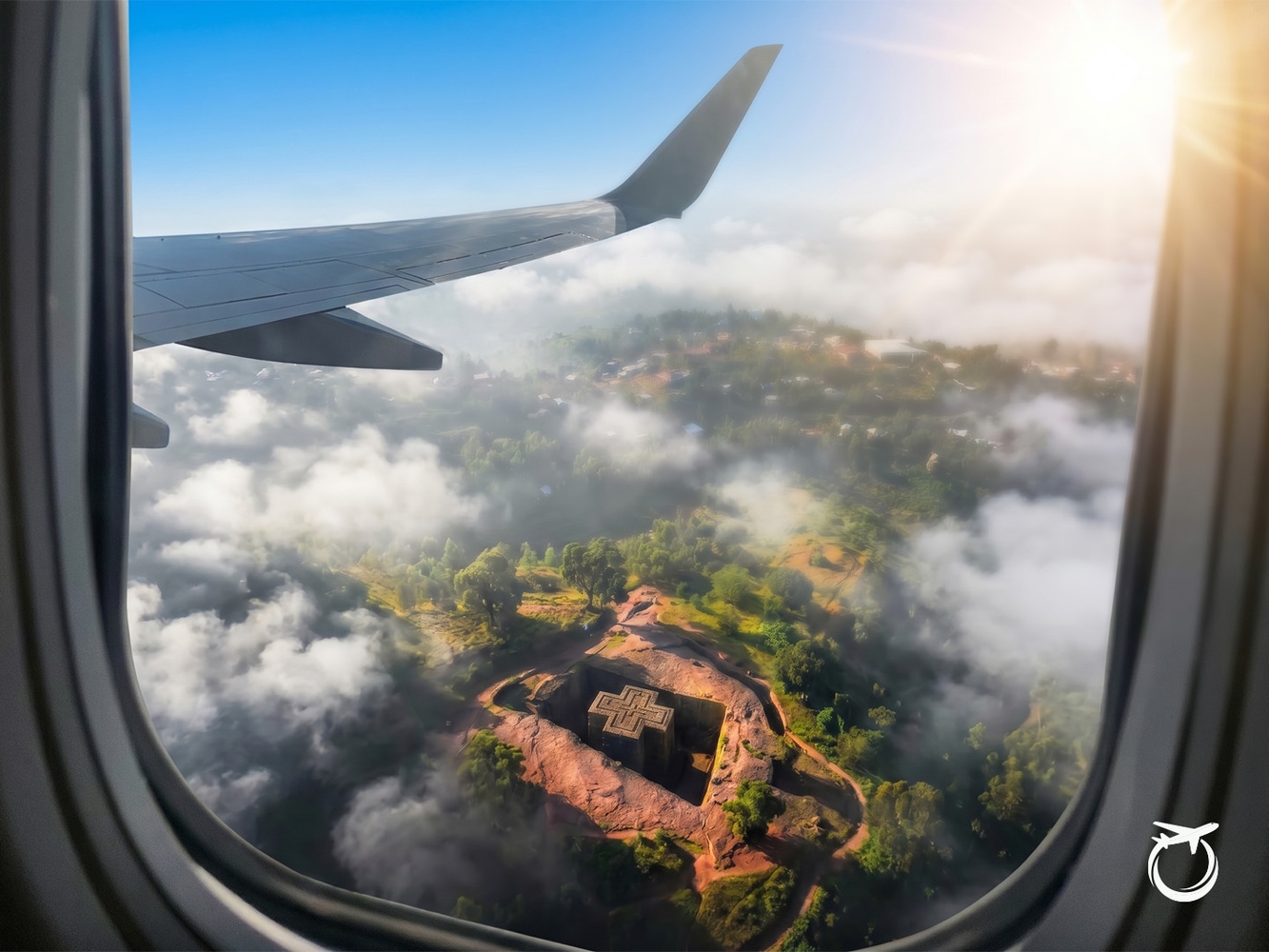
Ethiopian Orthodox Christmas, known as Genna, falls on January 7. It is marked by all-night church services, white-robed worshippers, and a festive atmosphere, especially moving when witnessed in a historic town such as Lalibela.
Timkat (Epiphany) — January 19
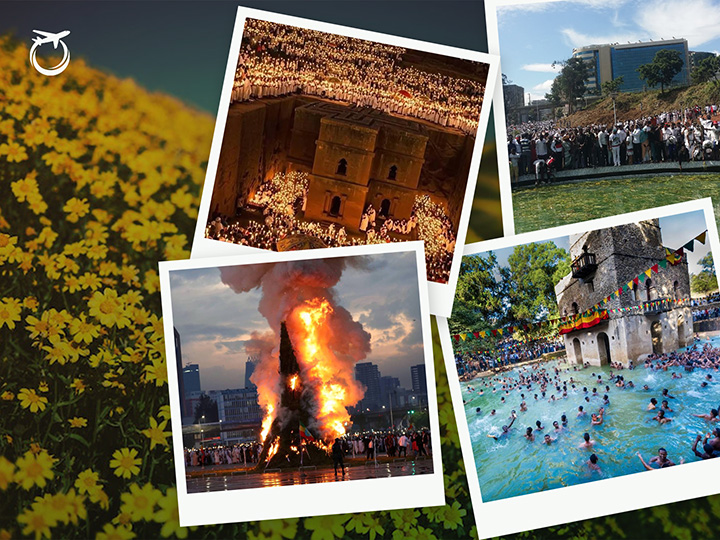
Timkat, the celebration of Epiphany on January 19, is arguably Ethiopia's most spectacular festival. Replicas of the Ark of the Covenant are paraded through the streets amid singing, processions, and colourful ceremonies, culminating in joyful blessings of water. Gondar is one of the most famous places to experience it.
Meskel (Finding of the True Cross) — Late September
Celebrated in late September, Meskel commemorates the finding of the True Cross with the lighting of a great bonfire called the Demera. The festivities in Addis Ababa's Meskel Square draw enormous crowds.
Enkutatash (Ethiopian New Year) — September 11
Enkutatash marks the Ethiopian New Year on September 11, arriving just as the rains end and the landscape bursts with yellow Meskel daisies. It is a joyful, family-centred celebration that signals the start of spring.
Irreecha (Oromo Thanksgiving)
Irreecha is the thanksgiving festival of the Oromo people, held to celebrate the end of the rainy season and the arrival of the bright spring. Huge gatherings dress in traditional attire and give thanks at sacred sites, offering a powerful glimpse into Oromo culture.
Regional Differences Across Ethiopia
Ethiopia's geography is so varied that the best time to visit truly depends on your destination. Here is how the main regions differ.
The Highlands
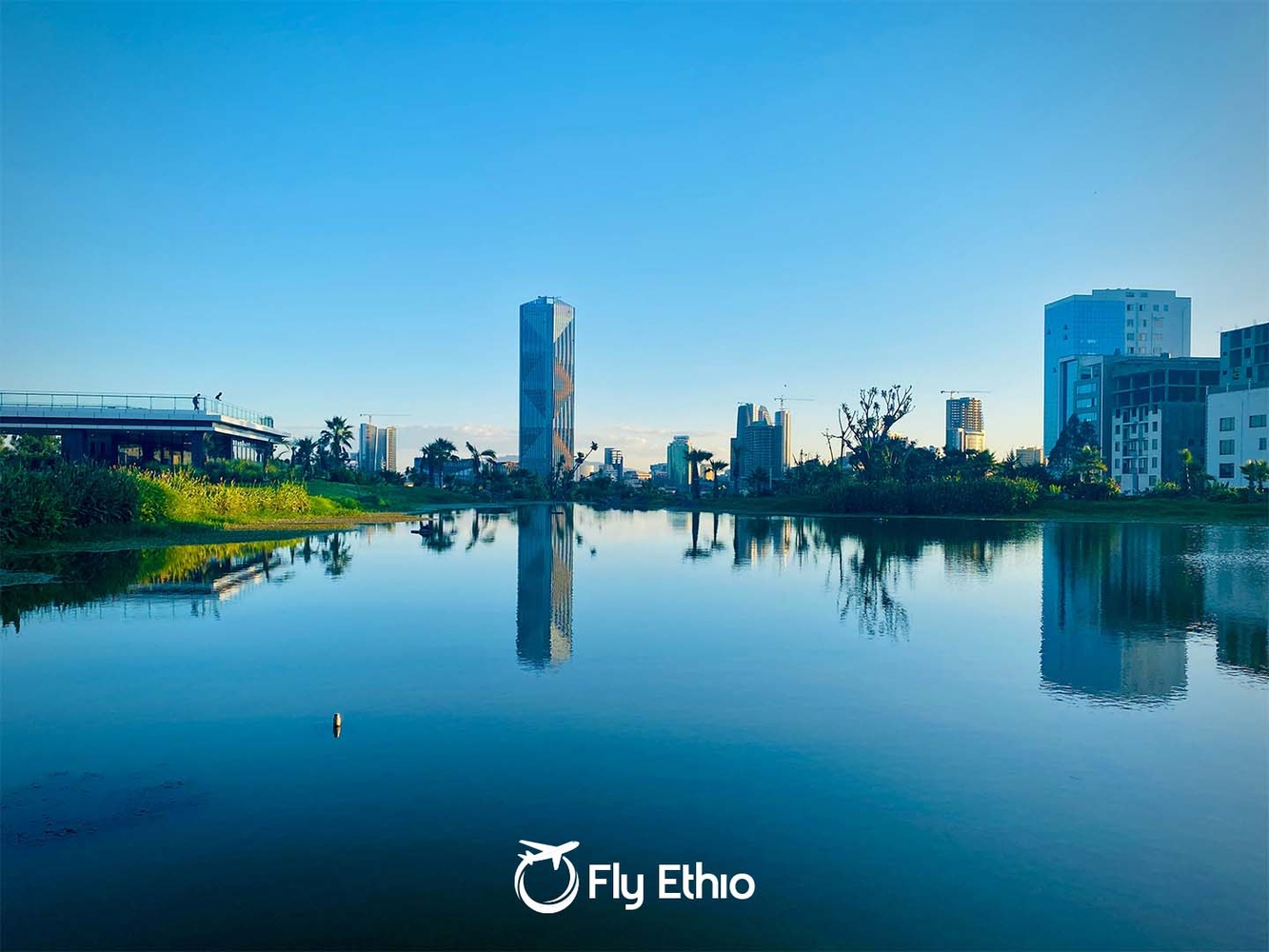
The central and northern highlands, home to Addis Ababa, Gondar, Lalibela, and the Simien Mountains, sit at high elevation and enjoy cool, pleasant temperatures year-round. They follow the classic pattern of a dry season from October to March and rains from June to September. This is where the dry-season rule applies most strongly.
The Danakil Depression
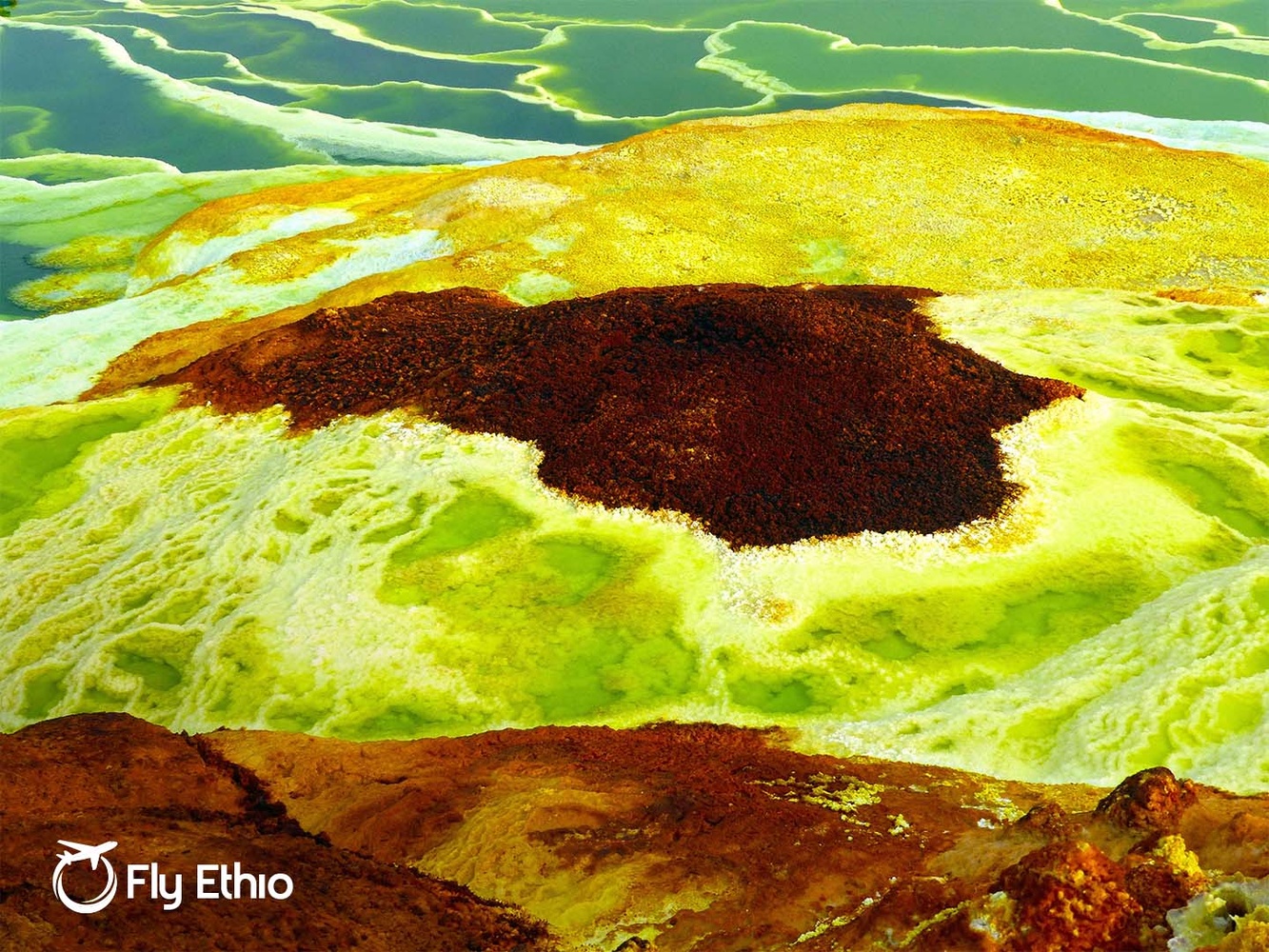
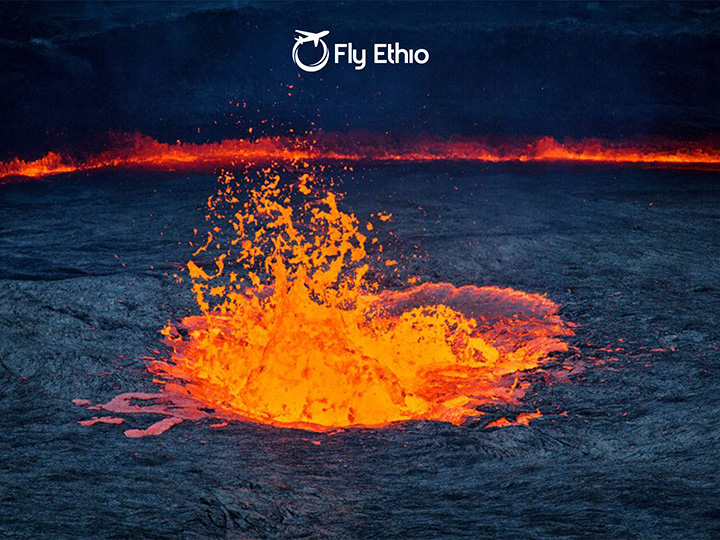
The Danakil Depression in the northeast is one of the hottest places on Earth. It is best visited in the cooler months from November to February, when the searing heat is slightly more bearable. The summer months are extremely hot and not recommended for travel here.
The Omo Valley
The Omo Valley in the south, famous for its diverse indigenous cultures, is most comfortably visited during the dry months. From around late September to March the roads are more passable, making it easier to reach the remote villages and attend local ceremonies.
Plan Your Ethiopian Adventure
Whether you are drawn by the festivals, the trekking, or the ancient history, timing your trip well will make all the difference. Our team can help you build an itinerary around the season and the celebrations you care about most. Book your flights to Ethiopia with FlyEthio and start counting down to your adventure. Explore our tour packages for ready-made journeys, or contact us to plan a custom trip.
Frequently Asked Questions
What is the best time to visit Ethiopia overall?
The best time to visit Ethiopia for most travellers is the dry season from October to March. During these months the highlands have clear skies, the scenery is green after the rains, and conditions are ideal for trekking, sightseeing, and attending major festivals.
When is the rainy season in Ethiopia?
The main rainy season runs from June to September, with July and August being the wettest months. The landscape is lush and green, but heavy rain can make unpaved roads and remote trekking routes difficult during this period.
Which festivals are worth planning a trip around?
Timkat on January 19 and Meskel in late September are the most spectacular and popular with visitors. Genna on January 7, Enkutatash on September 11, and the Oromo thanksgiving festival of Irreecha are also wonderful cultural experiences worth timing a trip around.
Is it worth visiting Ethiopia during the rainy season?
It can be, especially if you focus on highland cities reachable by good roads or domestic flights. The rainy season offers green scenery, fewer crowds, and potentially lower prices. Just be prepared for afternoon showers and avoid remote backcountry routes.
When should I visit the Danakil Depression?
Visit the Danakil Depression in the cooler months from November to February. It is one of the hottest places on Earth, so travelling during the peak summer heat is not recommended for comfort or safety.
How far in advance should I book my trip?
For dry-season travel and festival dates, we recommend booking flights and accommodation several months ahead, as the peak season and major celebrations are very popular. Booking early also helps you secure the best fares and lodges.